Choosing the right hair coloring method can be a daunting task. With so many options available, it’s easy to feel overwhelmed.
Balayage and foils are two popular techniques that offer distinct results. Each method has its own unique benefits and applications.
Understanding the differences between balayage and foils is crucial for achieving your desired look.
Whether you’re seeking a natural sun-kissed glow or bold, defined highlights, knowing the pros and cons of each can help.
This guide will explore the key differences, benefits, and suitability of balayage vs foils, helping you make an informed decision.
What Is Balayage? Understanding the Technique
Balayage is a hair coloring method that has taken the world by storm. The term “balayage” comes from the French word meaning “to sweep.” This name hints at the technique’s freehand nature.
Stylists paint the dye directly onto the hair in a sweeping motion. This method creates a natural transition between colors, resembling a sun-kissed effect.
Key Characteristics of Balayage:
- Freehand Application: No foils or caps are used.
- Natural Look: It creates a soft, blended result.
- Low Maintenance: Ideal for those wanting fewer touch-ups.
Balayage can be tailored for any hair type or color. Whether you have curly, wavy, or straight hair, this technique works beautifully. It’s versatile and often chosen for its ability to add depth and dimension.
Overall, the natural, effortless look it creates has made balayage a favorite among hairstylists and clients alike. It’s not just a trend but a lasting and elegant coloring choice.
What Are Foils? The Classic Highlighting Method
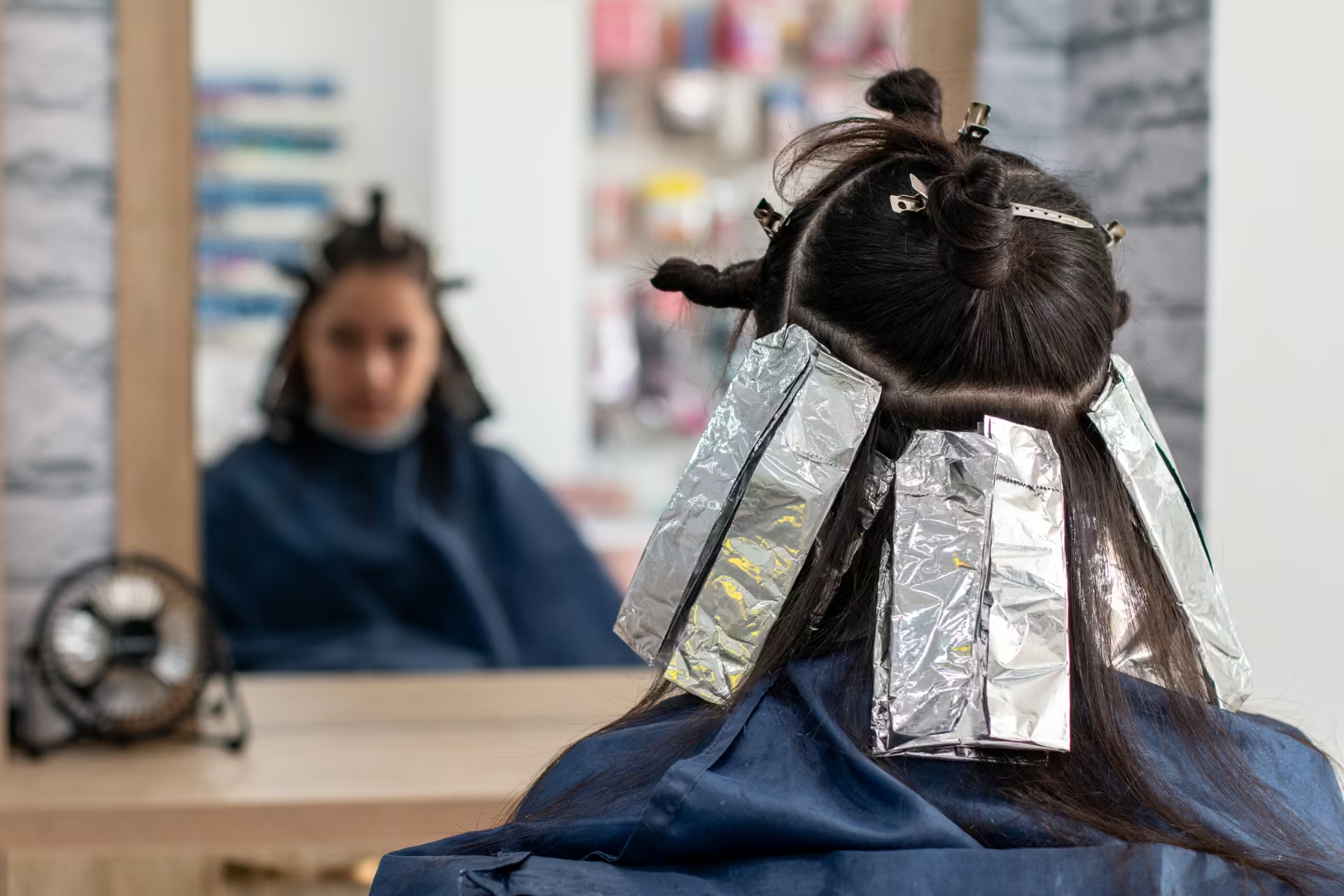
Foil highlights are a traditional and well-loved hair coloring technique. This method uses aluminum foils to separate and saturate strands with dye. The use of foils allows for a controlled, even application and diverse coloring effects.
Stylists wrap sections of hair in foils to lift color and add dimension. This precise method is perfect for bold highlights or full-coverage color transformations.
Key Characteristics of Foils:
- Precise Application: Allows for specific placement of highlights.
- Defined Look: Creates clear and vibrant color contrasts.
- Wide Range of Effects: Suitable for both subtle and dramatic changes.
Foils are versatile and can achieve many looks. Whether you desire subtle highlights or dramatic, stark contrasts, foils can deliver. This method is particularly effective for creating uniform color and is ideal for covering gray hair.
Overall, foil highlighting is beloved for its precision and reliability. It continues to be a staple in salons, ensuring consistency and vibrant color. Its broad adaptability ensures it remains a favored choice among colorists and clients alike.
Balayage vs Foils: Key Differences Explained
Understanding the differences between balayage and foils is essential for making the right choice. Both methods enhance hair, but they offer distinct results and maintenance needs.
Balayage is favored for its natural, sun-kissed look. It’s applied with a sweeping technique, allowing for a gradual blend. This method is often less damaging, as it doesn’t saturate hair with dye.
In contrast, foils offer precision and boldness. The foil application provides targeted color placement and can achieve high-contrast highlights. This method often involves more maintenance due to visible growth lines.
Key Differences Between Balayage and Foils:
- Technique: Balayage uses freehand painting; foils use precise sectioning.
- Maintenance: Balayage requires less frequent touch-ups; foils need regular maintenance.
- Effect: Balayage creates a soft, blended effect; foils offer sharp, defined highlights.
Moreover, balayage is generally less time-consuming to apply. However, it may be more costly due to the skill required. Foils, while potentially cheaper, can be more time-intensive. Understanding these differences can help tailor your choice to your hair goals and lifestyle.
Pros and Cons: Balayage vs Foils
Choosing between balayage and foils requires weighing the pros and cons of each. Consider the look you want and your lifestyle to determine the best fit.
Pros of Balayage:
- Natural-looking, blended highlights
- Lower maintenance with soft regrowth lines
- Less damaging due to minimal dye saturation
Cons of Balayage:
- Often more expensive due to skill required
- May not achieve dramatic color changes
- Requires a skilled stylist for the best results
Balayage works well if you desire a subtle, sun-kissed effect. It’s suitable for those seeking a more laid-back hair maintenance routine.
Pros of Foils:
- Precise color application for bold effects
- Effective for complete color transformations
- Ideal for achieving high-contrast highlights
Cons of Foils:
- Visible regrowth lines require frequent touch-ups
- Can be more damaging if not applied carefully
- Time-consuming process due to detailed application
Foils are perfect for dramatic changes and precise color placement. They suit individuals wanting a polished look and are willing to commit to regular upkeep. Consider these factors when deciding which technique aligns with your personal preferences and hair goals.
Color Blending Techniques and Results
The choice between balayage and foils significantly impacts color blending and overall results. Each method offers unique blending techniques and outcomes.
Balayage involves a sweeping, freehand application. This technique creates natural transitions between shades. The result is a sun-kissed effect, soft and seamless.
Foils use sectioned application for precise color placement. Each strand is wrapped to create defined contrasts. This method produces bold, uniform highlights, ideal for dramatic changes.
Key Blending Outcomes:
- Balayage: Natural, soft blending; sun-kissed appearance
- Foils: Bold, defined blending; high-contrast highlights
Both methods can achieve beautiful results. The decision depends on your color goals and personal style. Whether aiming for subtle or striking, understanding these techniques aids in choosing the right approach for your hair.
Maintenance, Upkeep, and Hair Health
The maintenance level for balayage and foils can differ greatly. Balayage typically requires less frequent touch-ups, thanks to its soft regrowth line. This makes it an appealing option for those with busy schedules.
Foils, on the other hand, often demand more frequent visits to maintain the defined look. As the hair grows, a noticeable line may appear, prompting regular touch-ups to keep the color fresh.
Hair health is vital when considering any coloring method. Balayage is generally less damaging as it doesn’t saturate every strand with dye. This minimizes exposure to chemicals and preserves hair integrity.
Maintenance Overview:
- Balayage: Lower upkeep, minimal regrowth lines
- Foils: More frequent touch-ups, visible regrowth lines
By choosing based on maintenance needs and prioritizing hair health, you can ensure a long-lasting and healthy color outcome.
Which Method Is Best for Your Hair Type and Color Goals?
Choosing between balayage and foils largely depends on your hair type and color goals. Each technique brings unique benefits, which can impact the final look and maintenance level.
Balayage is versatile and works well for wavy or curly hair, as it enhances natural movement. This method is perfect for those desiring a subtle, sun-kissed glow and a natural transition between colors.
Foils suit straight hair and those seeking a bold, dramatic change. They provide precise color placement, ideal for achieving high-contrast highlights or full coverage.
When determining your hair coloring method, consider your desired maintenance level and the final effect. The choice may shift based on personal preferences or hair type.
Factors to Consider:
- Balayage: Ideal for subtle, natural looks
- Foils: Best for bold, dramatic effects
Evaluate your priorities and hair texture to select the most suitable method for achieving your desired color outcome.
Balayage vs Foils on Dark Hair and Blonde Hair
Balayage and foils each have distinct effects on dark and blonde hair. They create different looks and require varied upkeep depending on the base color.
For dark hair, balayage provides a subtle lightening effect, softly enhancing natural tones. This technique suits those seeking a more natural and low-maintenance style, with the color appearing less harsh as it grows out.
Blonde hair often benefits from foils due to their precision, delivering brighter and more defined highlights. They are especially effective for achieving eye-catching, dramatic contrasts for a polished look.
Considerations:
- Dark Hair: Subtle lightening with balayage
- Blonde Hair: Bold highlights with foils
When choosing a method, think about how your natural color will complement the technique. This decision influences the overall appearance and maintenance level.
Cost, Time, and Salon Experience
When deciding between balayage and foils, consider the cost, time commitment, and salon experience. Each method requires different levels of expertise and time investment.
Balayage is typically more expensive because it demands a skilled stylist for precise color blending. The freehand technique takes longer, resulting in a higher price for the artistry involved.
Foil application can be quicker, depending on the desired look and amount of coverage. This may affect the overall cost and salon visit duration.
Key Factors:
- Balayage: Higher cost, longer appointment
- Foils: Possibly quicker, variable pricing
Evaluate your budget and time before choosing. Both methods offer beautiful results, but the process varies significantly.
Frequently Asked Questions About Balayage and Foils
Choosing between balayage and foils can spark many questions. Understanding each method helps make an informed decision. Below are some common inquiries and answers to guide you.
FAQs:
- Which lasts longer?
Balayage generally has a softer grow-out, requiring fewer touch-ups compared to foils. - Are both techniques damaging to hair?
Balayage is often gentler on hair, while foils can be more damaging if not applied carefully. - Can you mix both methods?
Yes, combining both can offer unique, personalized results.
These insights help clarify concerns and aid in selecting the perfect hair coloring method.
Conclusion: Choosing the Right Hair Coloring Method
Ultimately, selecting between balayage and foils depends on personal preferences and goals. Consider your desired look, maintenance needs, and budget to decide.
Consult with a stylist who understands both techniques well. Their expertise can guide you to achieve the best results tailored to your unique hair type and color vision.